Phosphatidylserine in Neuro Sharp: Brain Cell Membranes and Memory
Phosphatidylserine is a natural part of every brain cell's outer membrane. As a supplement it has been studied for age-related memory decline for decades — with interesting but limited results. Here's what it is, what the research and the FDA say, and how it fits in Neuro Sharp.*
See Neuro Sharp Prices →Independent site · We may earn a commission from links. Disclosure
| Abbreviation | PS |
|---|---|
| Type | Phospholipid (a fat-based molecule) |
| Common sources | Soy or sunflower lecithin; older studies used bovine brain |
| Role in Neuro Sharp | Cell membranes and memory* |
| Amount in studies | Commonly 300 mg/day (100 mg three times daily) |
| Evidence | Limited and preliminary |
| Main caution | Usually well tolerated; insomnia or stomach upset at higher doses |
What Is Phosphatidylserine?
Phosphatidylserine is a phospholipid, one of the fat-based molecules that make up cell membranes. It is especially concentrated in the brain, where it sits in the membranes of nerve cells. These membranes are where signals are sent and received, so their makeup affects how efficiently nerve cells communicate. Your body makes phosphatidylserine, and small amounts come from foods such as fish, organ meats and soy.
How Phosphatidylserine May Work
The theory is straightforward: supplying phosphatidylserine may support the health and fluidity of nerve-cell membranes, which in turn supports signaling between cells. Research has also explored effects on the release of chemical messengers, including acetylcholine.* Most of this mechanism comes from laboratory and animal work.
What the Research Says
Phosphatidylserine was studied for memory in older adults from the 1980s onward. Several early trials, mainly using phosphatidylserine made from cow brain, reported improvements in memory in older people with age-related memory complaints. Because of concerns about animal brain products, supplements switched to plant-based sources such as soy and sunflower, and studies of these newer forms have produced more mixed results.
In 2003 the US Food and Drug Administration allowed a "qualified health claim" for phosphatidylserine. The required wording is cautious: it says very limited and preliminary scientific research suggests phosphatidylserine may reduce the risk of cognitive dysfunction and dementia in the elderly, and that the FDA concludes there is little scientific evidence supporting this claim. That is a fair summary of the evidence today.
How Much Phosphatidylserine Is Used in Studies?
Most memory studies used 300 mg a day, typically as 100 mg three times daily, for several months. Some used 100–200 mg a day.
Side Effects
Phosphatidylserine is usually well tolerated. At higher doses, some people report insomnia and stomach upset. Taking it earlier in the day and with food can help. Because it is fat-soluble, food may also help absorption — another reason we suggest taking Neuro Sharp with breakfast (see how to take Neuro Sharp).
Interactions and Cautions
- Phosphatidylserine may theoretically add to the effects of medicines that act on acetylcholine, including some Alzheimer's medicines and anticholinergic drugs.
- Many products are soy-derived. If you have a soy allergy, check the label for the source.
- Safety in pregnancy and breastfeeding hasn't been established at supplement doses.
Read our Neuro Sharp safety guide for the whole formula.
Phosphatidylserine's Role in Neuro Sharp
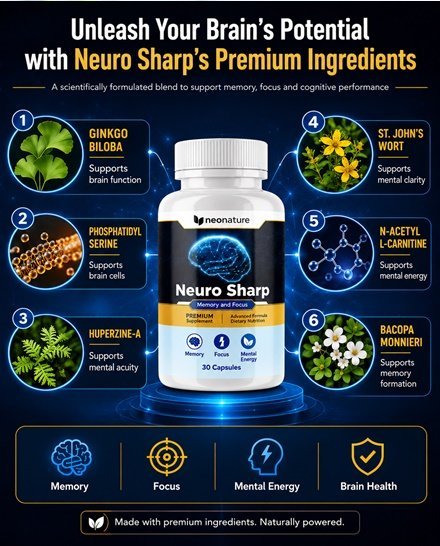
In Neuro Sharp, phosphatidylserine supports the structural side of brain function — the membranes where signals pass — while Ginkgo supports circulation and the acetylcholine ingredients support the signals themselves. It's one of the gentler ingredients in the formula in terms of side effects.
Bottom Line
Phosphatidylserine is a natural brain-membrane component with a long research history, but the evidence for memory benefits — particularly for today's plant-based forms — is limited. The FDA's own wording calls the evidence "very limited and preliminary". It's well tolerated, but don't expect it to carry the formula on its own.*
Sources
Frequently Asked Questions
What does phosphatidylserine do?
It is a natural part of brain cell membranes. As a supplement it has been studied for age-related memory decline, with limited and preliminary evidence.
Is phosphatidylserine FDA approved?
No. The FDA allows a qualified health claim but says there is little scientific evidence supporting it.
Is phosphatidylserine made from soy?
Modern supplements are usually made from soy or sunflower lecithin. Check the Neuro Sharp label for the source if you have a soy allergy.
How much phosphatidylserine is used in studies?
Usually 300 mg per day, as 100 mg three times daily.
*These statements have not been evaluated by the Food and Drug Administration. Neuro Sharp is not intended to diagnose, treat, cure or prevent any disease. Individual results vary. This page is for information only and is not medical advice.